
What Makes Our Approach Different
We skip the fluff and focus on what actually matters when you're working in a busy kitchen. The techniques we teach have been tested in professional environments for decades.
You'll spend time understanding why certain methods work better than others. There's a reason chefs hold their knives a specific way or why temperature control matters more than most beginners realize.
Our instructors have worked in various kitchen environments — from small cafes to larger operations. They know what skills transfer across different settings and what you'll actually use once you're working professionally.
How the Program Works
Foundation Building
Start with knife skills, heat management, and basic preparations. These fundamentals show up in nearly every dish you'll make, so we spend proper time on them.
Technique Development
Learn classical methods through repeated practice. You'll understand the reasoning behind traditional approaches and when modern alternatives make sense.
Creative Application
Apply your technical knowledge to menu development and dish creation. This is where you start making decisions based on solid understanding rather than guesswork.
Meet Chef Nadine Burckhardt
Lead Culinary Instructor
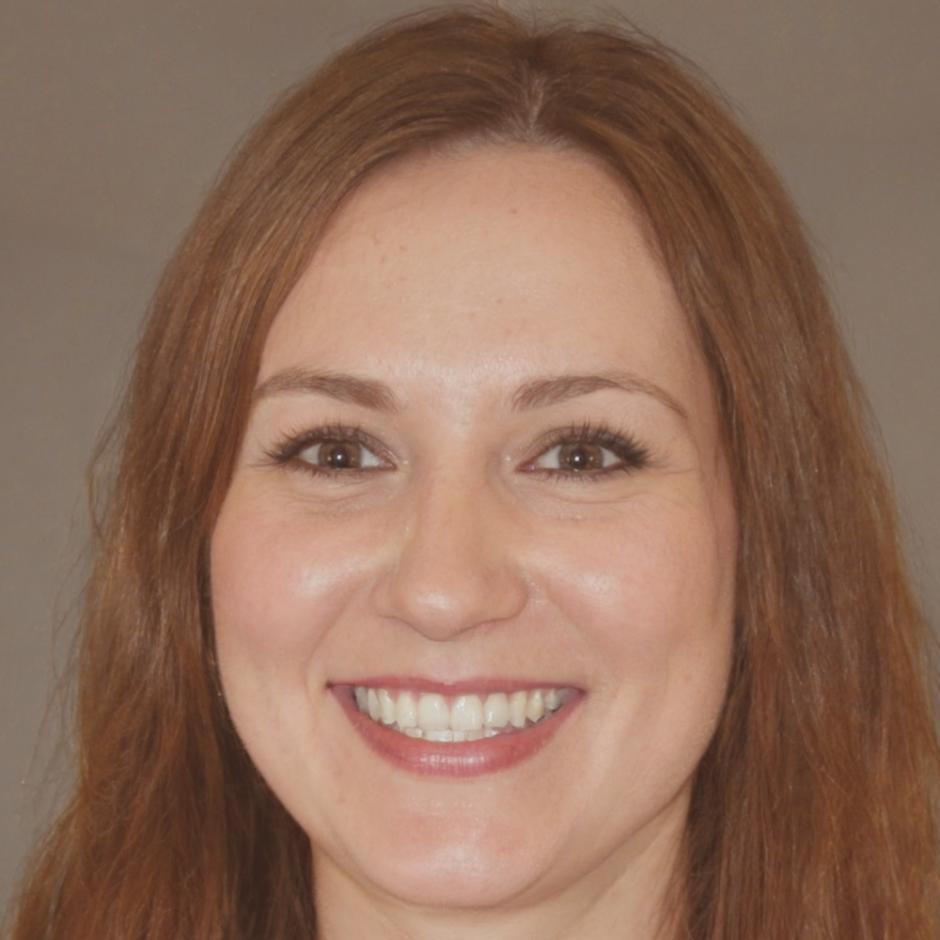
Nadine spent fifteen years working in professional kitchens before moving into education. She's cooked in restaurants ranging from small bistros to hotel operations, which gave her perspective on how different environments require different approaches.
What she brings to teaching is an understanding of what actually matters when you're under pressure. Not just the recipes, but the organizational habits and technical precision that separate capable cooks from those who struggle during busy service.
Her teaching style is direct and practical. She'll show you why certain techniques work, let you practice until you've got them down, and give you honest feedback about where you need more work.
Skills You'll Actually Use
Classical Technique Mastery
Master the fundamental methods that form the backbone of professional cooking. These techniques appear across cuisines and cooking styles, making them genuinely valuable regardless of where your career takes you.
Kitchen Organization
Learn the systems that keep professional kitchens running smoothly. Understanding mise en place, workflow optimization, and efficient prep work makes the difference between chaos and control during service.
Flavor Development
Understand how ingredients interact and how to build balanced flavors. This goes beyond following recipes to actually comprehending why certain combinations work and how to adjust dishes based on taste.
Menu Planning
Develop menus that make sense from both culinary and practical perspectives. You'll learn to consider seasonality, ingredient costs, prep time, and skill requirements when creating dishes.
Ready to Start Learning?
Access to Professional Resources
Study Materials and References
Students receive detailed technique guides, recipe collections, and reference materials developed from years of professional kitchen experience.
These aren't generic cooking instructions. They're the specific methods and ratios that professional cooks rely on when they need consistent results under pressure.
You'll also get access to video demonstrations showing proper technique execution, troubleshooting guides for common issues, and ingredient substitution references for when you can't source exactly what a recipe calls for.
Browse Available Materials